

Understanding the Importance of Renting: Why People Are Choosing Access Over Ownership
Importance in Renting Things is changing how people use money, access products, and make everyday decisions. From vehicles and equipment to furniture and technology, renting offers flexibility without the full cost of ownership. Sandeep Patodiya, researching the rental industry at ODAC24, explores why rental services are growing, how they benefit customers and businesses, and when renting makes more sense than buying.

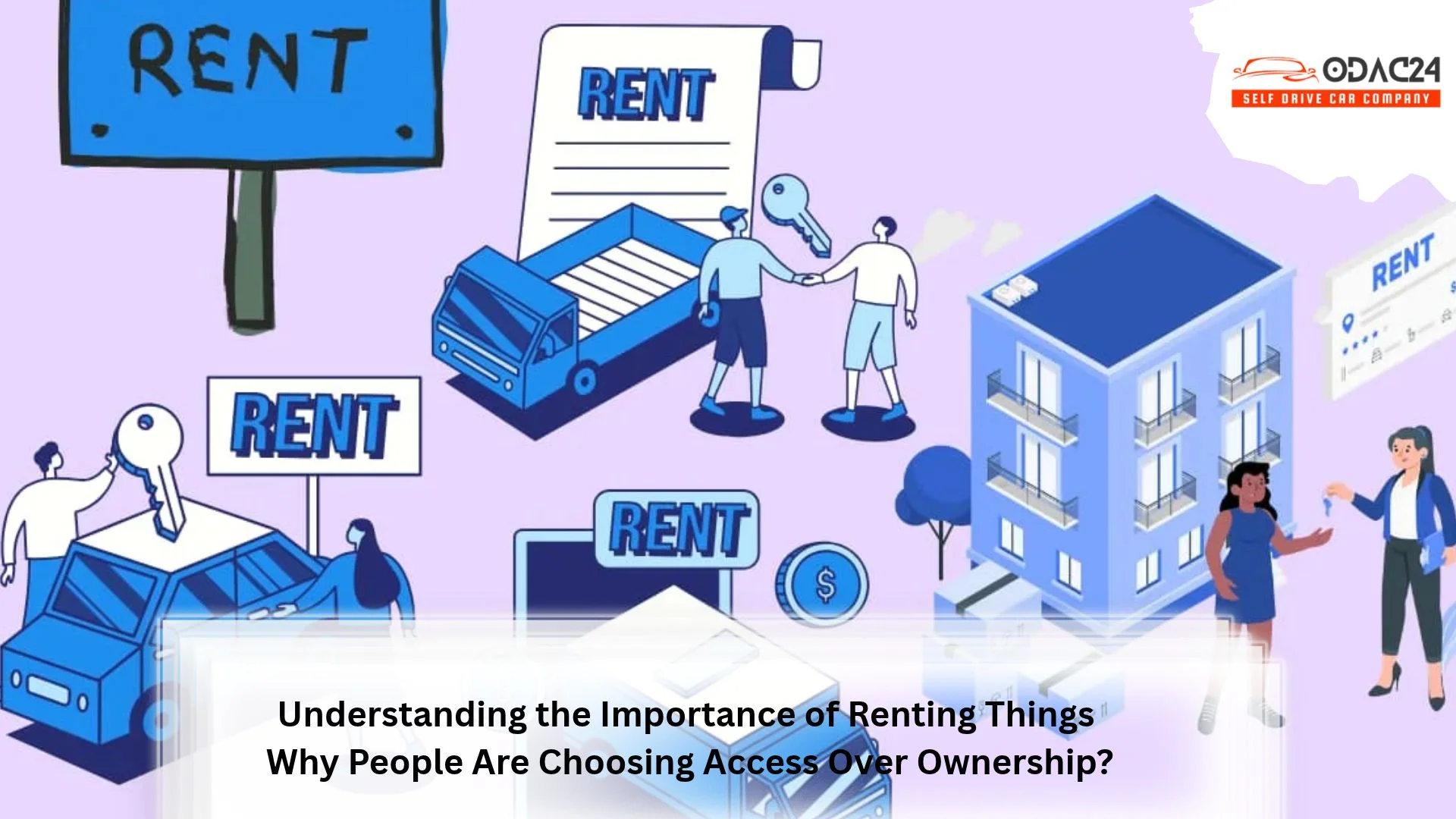
Table of Contents
Quick overview of this road trip guide (13 topics)
100% sanitized vehicles, hill-ready tourist permits for Himachal/Uttarakhand, 100% refundable deposit returned instantly on car return, and 24/7 roadside assistance.
By Sandeep Patodiya | Research, ODAC24 | Self-drive car rental industry, Chandigarh And Today discussion on Importance of Renting Things
There was a time when buying something was considered the best way to use your money. If you needed a car, you bought one. If you moved into a new house, you purchased furniture. If you needed an expensive outfit for a wedding, you bought it even if you were unlikely to wear it again.
But things are changing.
People are asking different questions today. Do I really need to own this? How often will I use it? Would renting be cheaper? And what else could I do with the money I save?
These questions explain why renting has become an important part of modern consumer behaviour. From homes and furniture to cameras, construction equipment and self drive cars, renting allows people to use things without taking on the full cost of ownership.
My name is Sandeep Patodiya, and I work in research at ODAC24, a company operating in the self drive car in Chandigarh. The growing interest in rental cars has encouraged me to look beyond the automobile industry and understand a bigger question: Why are people increasingly interested in renting, and can this way of doing business benefit both customers and businesses?
The answer is worth exploring because renting is not simply about paying less. It is about making decisions based on actual needs.
1. The rental economy is bigger than we think
When people hear the word rental, they often think about houses, cars or commercial properties. In reality, rental services cover many everyday needs.
A student may rent a laptop for a short course. A photographer may rent an expensive camera for a particular project. A family may rent furniture while living in a temporary home. A business may rent machinery instead of spending a large amount on equipment it only needs for a few months.
The common idea is simple: pay for the use of something when you need it, rather than purchasing it for every possible future use.
India's rental market also covers different sectors, and their sizes should not be confused with one another. For example, Magicbricks' 2026 Rental Index estimated India's residential rental search market at ₹7.53 lakh crore in annual demand potential. This figure relates to residential rental housing, not the entire rental economy across cars, equipment, furniture and other products.
That distinction matters. A large market figure can show the scale of a particular opportunity, but it does not automatically tell us how much revenue every rental business can earn.
What matters to an entrepreneur is understanding the demand within a specific category, identifying customers who need the service and providing a reliable solution.
2. Why are people choosing to rent instead of buy?
Let us look at a practical example.
Imagine a young professional living in Chandigarh who needs a car for two days to visit friends and explore nearby destinations. Buying a car for this purpose would involve a major financial commitment, along with insurance, maintenance, parking and other running costs.
Renting a car for those two days may be more practical.
Now consider a family that uses its car every day for work, school and regular travel. Buying a vehicle may make more sense for them because they need it frequently and want it available at all times.
Both decisions can be sensible. The difference is how often the asset is used and what the person can afford.
This is the real importance of renting. It gives people another option instead of assuming that ownership is always the best choice.
Several factors are encouraging this behaviour:
Lower upfront spending: Customers do not need to pay the full purchase price of an expensive item.
Flexibility: They can rent for a day, a week or another suitable period, depending on the service.
Access to better products: Renting may allow someone to use a premium car, professional camera or specialised machine that would otherwise be too expensive to purchase.
Fewer long-term responsibilities: Depending on the rental agreement, the provider may handle certain maintenance, servicing or replacement responsibilities.
Better use of money: Customers can keep funds available for other priorities instead of tying them up in an asset they rarely use.
These benefits do not mean renting is always cheaper. Repeated rental payments can eventually exceed the cost of ownership. The right decision depends on the duration of use, the rental charges and the responsibilities involved.
3. Renting is also changing how people think about money
One interesting change is that people are increasingly considering the value they receive from money rather than simply counting the things they own.
Suppose a person wants to experience driving a premium SUV but does not want to purchase one. Buying the vehicle could require a substantial investment. Renting it for a particular trip offers the experience without the same long-term commitment.
The same idea applies to a business.
A small company might need specialised equipment for a project lasting three months. Purchasing the equipment could use up money needed for salaries, marketing or daily operations. Renting may allow the company to complete the project while preserving working capital.
In both cases, the customer is asking a useful question: What do I need right now, and what is the most sensible way to get it?
This approach can be especially valuable for young professionals, students, growing businesses and people whose needs change frequently.
However, renting should not be treated as a shortcut to wealth or a guaranteed way to save money. It is a financial choice that works best when the customer understands the total cost and avoids paying for services they do not need.
4. Is the rental business really beneficial?
This is an important question, especially for someone considering entering the rental industry.
My view is that renting can create a useful business model, but it is not automatically profitable. The business works when customers receive value, the asset is used efficiently and the provider manages costs properly.
Think about a car rental business. A vehicle costs money even when nobody books it. There may be loan repayments, insurance, maintenance, cleaning, parking, depreciation and periods when the vehicle remains unused.
If the car is rented regularly at a suitable rate, the business can generate income from an asset that would otherwise sit idle for much of the time. But if bookings are low or operating costs are too high, the same vehicle can become a financial burden.
The opportunity lies in matching customer demand with the right asset.
A rental business can benefit customers by making products more accessible. It can benefit owners by generating revenue from those products. It can also benefit local businesses that need temporary access to equipment without purchasing it outright.
That creates the possibility of a win-win arrangement.
For the customer, the goal is useful access at a reasonable price. For the business, the goal is sustainable revenue and responsible asset management. Both sides benefit when expectations, pricing and responsibilities are clear.
What makes a rental business sustainable?
1. Real customer demand
The business must solve a problem people actually have. Buying assets first and hoping customers will appear is a risky approach.
2. Proper cost calculations
Rental prices must account for maintenance, depreciation, downtime, damage risks, staffing and other expenses, not just the original purchase price.
3. Trust and clear terms
Customers should understand the price, deposit, usage limits, cancellation policy and responsibility for damage before making a booking.
4. Efficient use of assets
A rental business needs to understand when its assets are in demand, when they remain unused and how to schedule maintenance without disrupting bookings.
A business that gets these basics right has a better foundation than one that focuses only on increasing the number of assets it owns.
5. How the same idea applies to self-drive cars in Chandigarh
At ODAC24, our work in the self-drive car rental market gives us a practical way to understand this change in consumer behaviour.
Consider someone arriving in Chandigarh for a family visit. They may need a car for two days, while another customer may need one for a week-long road trip. A local resident may want an SUV for a weekend, while someone else may prefer a small car for travelling around the city.
These customers have different needs, and they do not necessarily need to purchase a vehicle to meet them.
Self-drive rentals give customers the opportunity to use a car for an agreed period while driving themselves, subject to the provider's terms and applicable requirements.
For example, a customer may prefer a hatchback for city travel, a sedan for a comfortable journey or an SUV for a family trip. Renting lets them choose according to the occasion rather than purchasing a single vehicle for every possible situation.
The wider industry is also examining this shift. Zoomcar's India's Self Drive Shift Report 2025 discussed growing interest in flexible, short-term access to cars, particularly among younger urban customers. Its findings reflect the company's own platform data, rather than a complete measurement of every rental operator in India.
press.zoomcar.com
+1
For a business operating in Chandigarh, the lesson is not that everybody will stop buying cars. People will continue to purchase vehicles for daily use, family needs and personal preferences.
The opportunity is to serve the people who need a car temporarily, want to try a different category of vehicle or prefer not to take on the full responsibilities of ownership for a short trip.
That is where the rental model becomes relevant.
6. What are the benefits for customers and rental businesses?
The strongest rental arrangements create value for both parties.
For customers | For rental businesses |
|---|---|
Access to products without purchasing them | Potential income from rentable assets |
Lower initial financial commitment | Opportunities to serve different customer groups |
Flexibility for temporary needs | Repeat bookings when service is reliable |
Choice of products for different occasions | Better utilisation through effective scheduling |
Fewer ownership responsibilities, depending on the agreement | Potential to expand where demand supports growth |
However, there are risks on both sides.
Customers may face unexpected costs if they do not read the rental terms. Businesses may experience damage, late returns, low demand or unpaid expenses. Poor service can damage trust, while unclear agreements can create disputes.
A rental business should therefore measure more than bookings. It should also track net profit, asset utilisation, customer satisfaction, repeat business and the cost of keeping each item available.
For customers, the equivalent exercise is to compare the complete rental cost against the cost of buying, maintaining and eventually selling the same asset.
7. Is renting the right choice for everyone?
No, and this is an important part of the discussion.
Renting makes sense when the need is temporary, the asset is expensive to own or the customer values flexibility. Buying can make more sense when the item is used frequently, ownership offers long-term value or rental charges accumulate over time.
A person who drives every day may benefit from owning a car. Someone who needs one only for occasional trips may prefer renting.
A company that uses machinery throughout the year may eventually find purchasing more economical. A business that needs the same machine for a short project may find renting more practical.
Before making a decision, ask four questions:
How
frequently will I use this item?
What
is the complete cost of renting it for my intended period?
What
would ownership cost after maintenance, depreciation and other expenses?
How
much do I value flexibility and freedom from long-term responsibility?
The answers will help you make a decision based on your circumstances rather than following a trend.
8. What I have learned from looking at the rental market
As someone researching the rental industry at ODAC24, I believe the most important question is not whether renting is better than buying.
It is whether the way we spend money matches the way we actually use things.
A product can be valuable without needing to belong permanently to the person using it. A family can enjoy a road trip without buying a second car. A business can complete a project without purchasing every machine required. A student can access equipment for learning without making a large upfront investment.
For businesses, this creates an opportunity to build services around genuine customer requirements. But opportunity alone is not enough. Rental providers must deliver reliable products, explain their terms clearly, maintain their assets and price their services responsibly.
At ODAC24, our focus on self-drive car rentals in Chandigarh connects directly with this broader idea: giving people access to a vehicle when they need one, without requiring them to own that vehicle permanently.
The future of renting is not necessarily about owning less for the sake of it. It is about making more informed decisions about what we buy, what we rent and where our money creates the most value.
Frequently Asked Questions About the Importance of Renting
1. Why is renting becoming popular among people?
Renting gives people access to products without requiring them to purchase them permanently. It can reduce upfront spending, offer flexibility and make expensive products accessible for temporary needs.
2. Is renting better than buying?
It depends on how often you use the product and the total cost involved. Renting may be better for occasional or short-term use, while buying can be more economical when you need something regularly over many years.
3. Is the rental business profitable in India?
A rental business can be profitable when customer demand, rental prices, asset utilisation and operating costs are managed properly. However, profitability is not guaranteed and depends on the industry, location and business model.
4. What is the importance of renting for small businesses?
Renting can help small businesses access equipment, vehicles and other resources without spending large amounts upfront. It may also preserve working capital for salaries, marketing, inventory and other essential expenses.
5. How does renting benefit customers in Chandigarh?
Renting can help residents, visitors and business travellers access vehicles for specific trips or temporary requirements. Self-drive car rentals provide an option for people who want to drive themselves without purchasing a vehicle for occasional use.
6. Why are self-drive car rentals relevant to the rental economy?
Self-drive rentals allow customers to use a car for an agreed period while retaining control over their journey. They are useful for holidays, family visits, temporary transportation needs and road trips, subject to rental terms and applicable regulations.
7. What should customers check before renting anything?
Customers should check the complete rental price, deposit and refund conditions, usage restrictions, cancellation policy, insurance or damage responsibilities, and any additional charges before agreeing to rent.
8. What is the biggest challenge for a rental business?
One major challenge is keeping assets productive while controlling expenses. Maintenance, depreciation, idle periods, damage and inconsistent demand can affect profitability. Reliable service and transparent agreements are also essential for retaining customers.
9. What does access over ownership mean?
Access over ownership means choosing to use a product or service when needed rather than purchasing and permanently owning it. Renting a car for a weekend instead of buying one for occasional travel is a simple example.
10. Where can I rent a self-drive car in Chandigarh?
Customers looking for self-drive cars in Chandigarh can explore ODAC24's available vehicles, compare rental terms and select a car suited to their travel requirements at ODAC24.
Author: Sandeep Patodiya Research: ODAC24 Topic: The importance of renting and the changing rental economy
Recommended Self Drive Cars for this Trip
200 km/day Included · All-India Permit · Free 30-Min Delivery
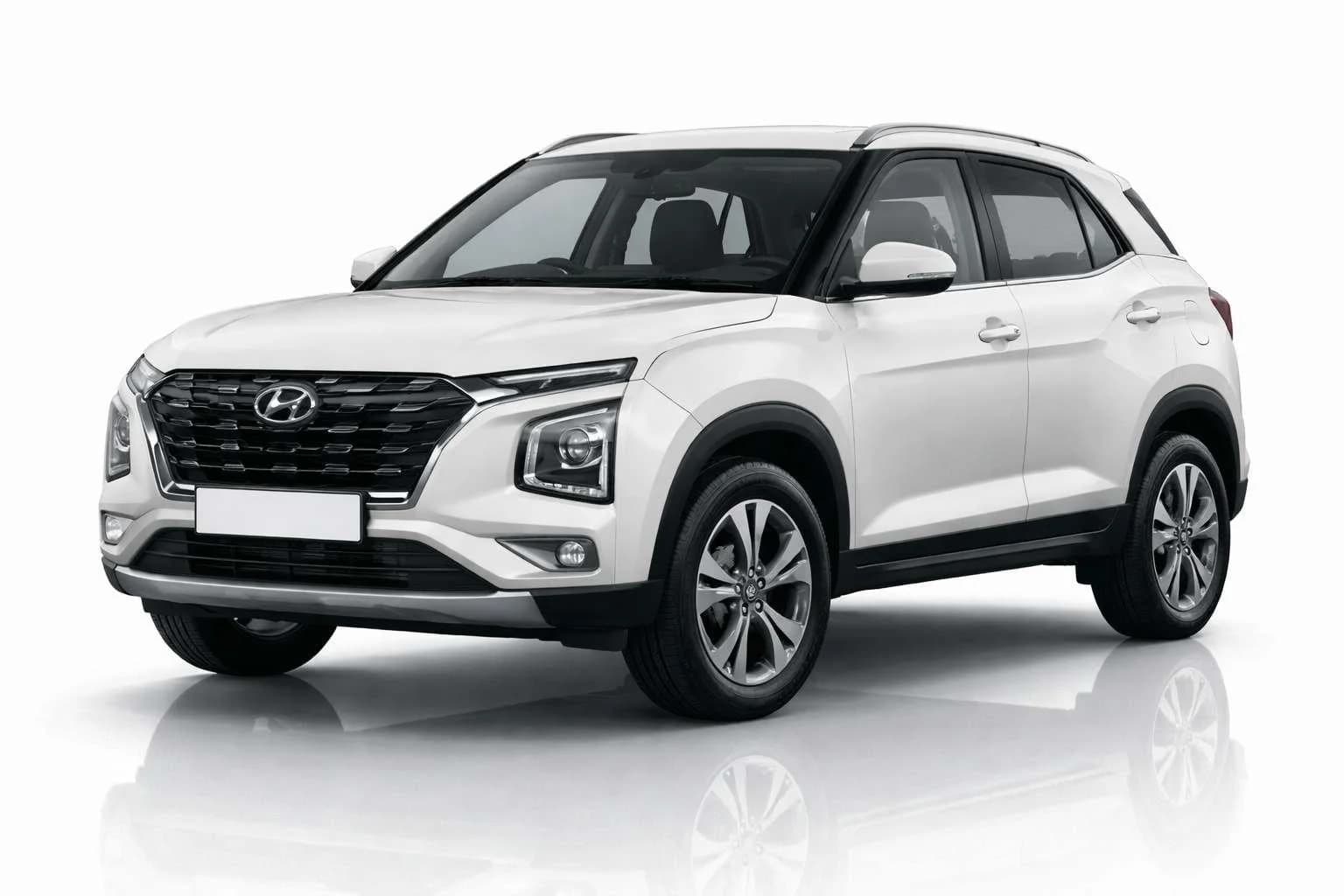 Mini SUV Popular
 SUV Popular
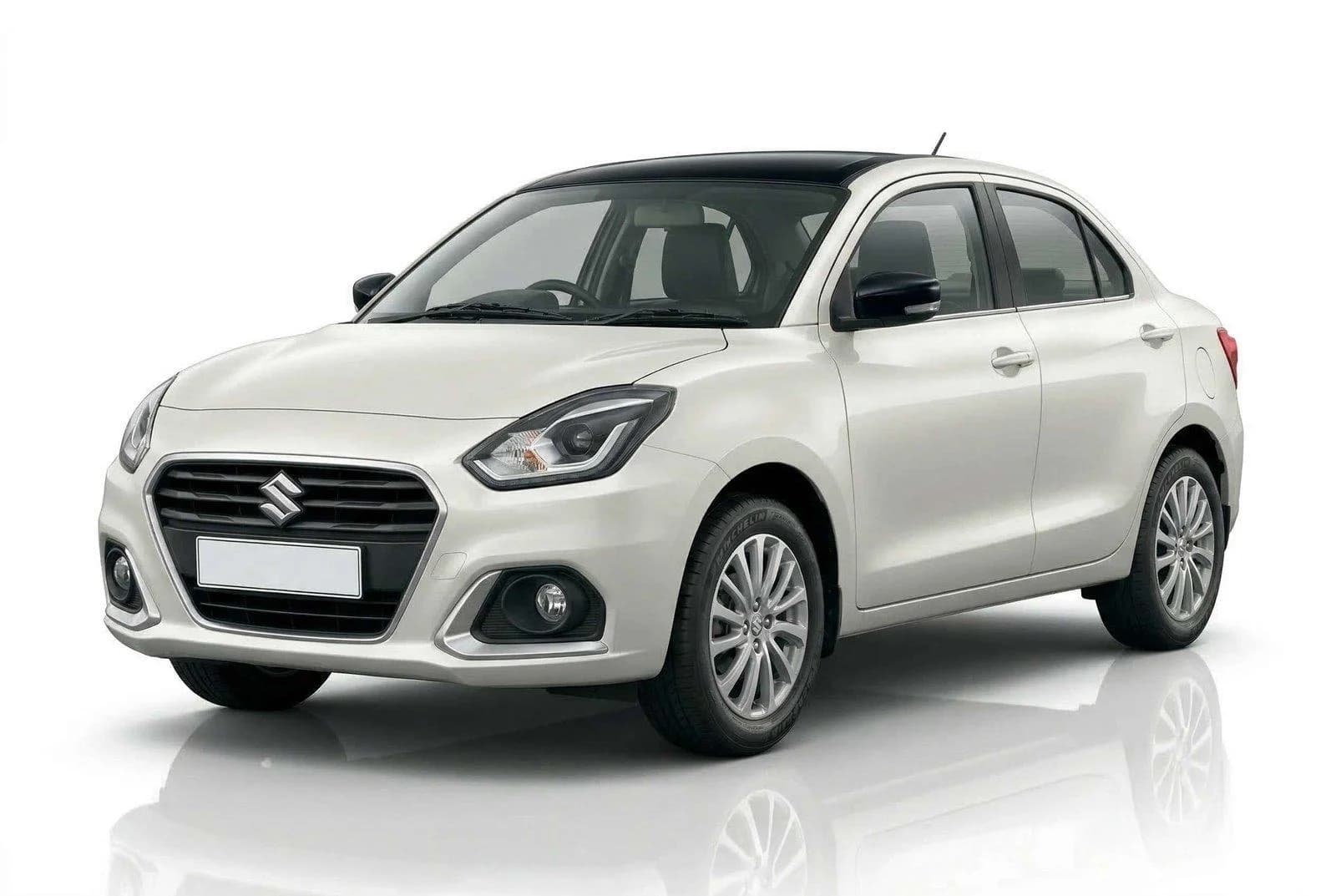 Sedan Popular
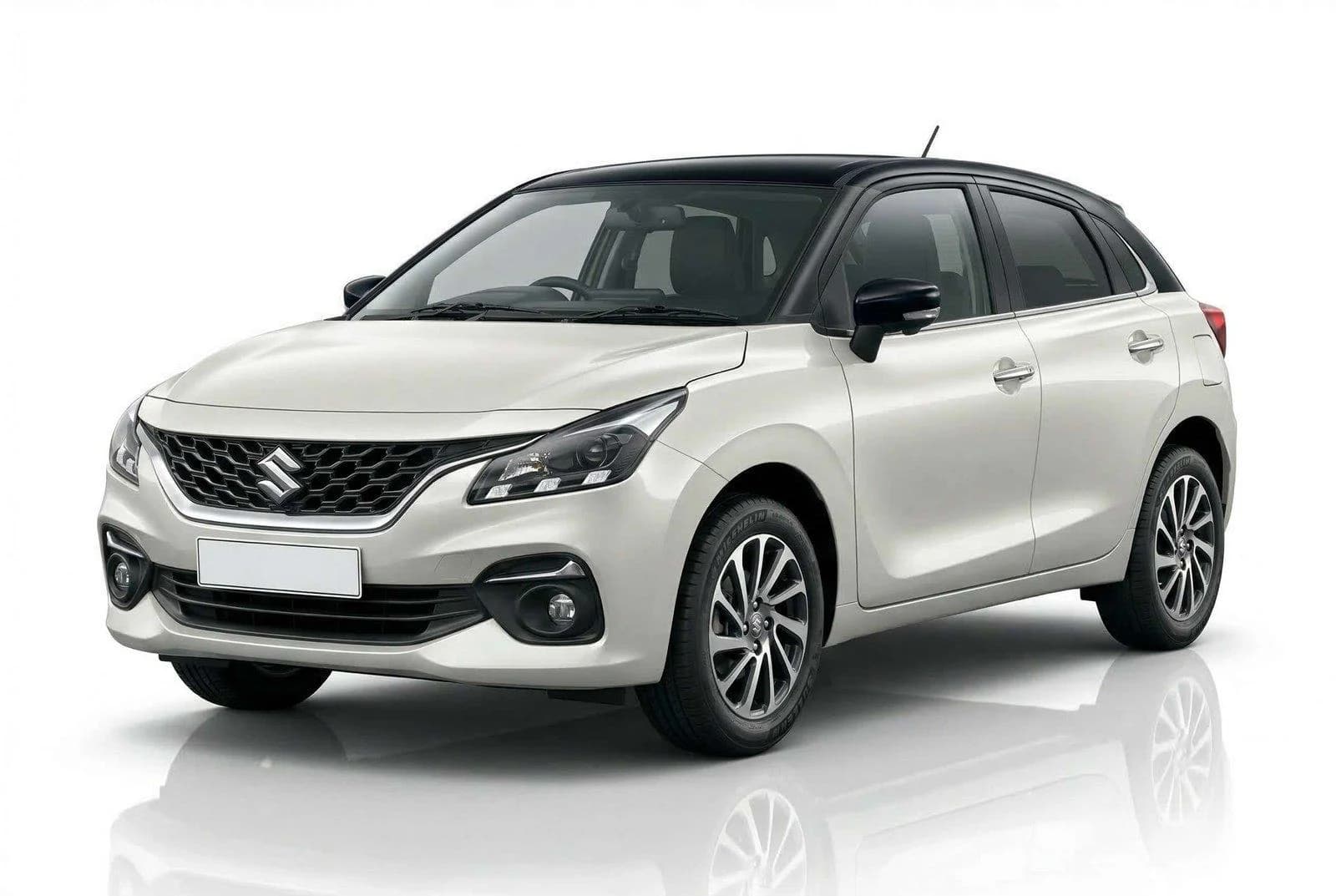 Hatchback Popular